Structural Drying in Texas
Industrial air movers and low-grain-refrigerant dehumidifiers prevent secondary damage by drying framing, subfloor and drywall to a verified standard — not just a surface guess.
What is Structural Drying?
Structural drying is the monitored process of removing residual moisture from a building's framing, subfloor, drywall and cavities after extraction. Unlike surface drying, this phase uses industrial equipment and daily instrument readings to reach a scientifically verified dry standard before any rebuild work begins.
Structural drying always follows emergency water extraction — once standing water is removed, embedded moisture in walls and framing requires industrial dehumidification to resolve. Skipping this phase leads directly to mold growth; sustained elevated humidity causes lasting structural damage that only certified drying equipment can prevent. After drying is complete, our team coordinates the full water damage restoration rebuild.
Signs you need structural drying
If any of these sound familiar, it's time to call — waiting only increases the damage and cost.
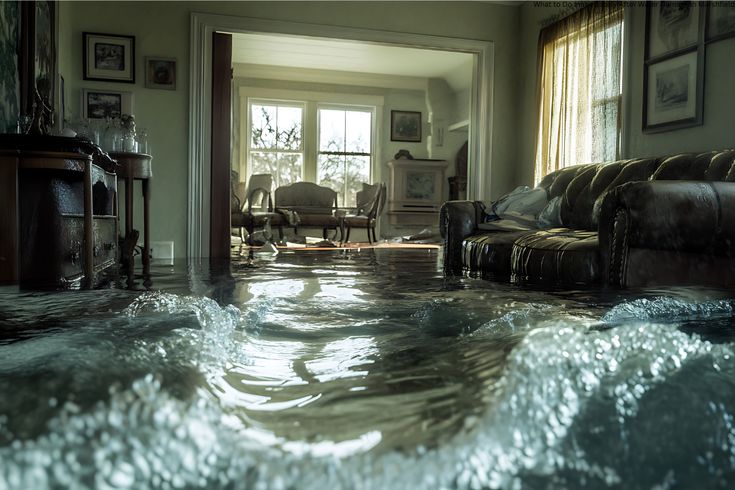
Any property that just had standing water removed still needs structural drying.
A lingering damp smell after cleanup usually means materials are still wet inside.
Wood flooring that curves upward at the edges indicates moisture still present below.
Any reading above the dry standard for that material means drying is incomplete.
Moisture inside wall or floor cavities requires targeted drying equipment.
Elevated indoor humidity after a water event signals ongoing evaporation into the air.
How we handle structural drying in Texas
Initial Moisture Readings
We document baseline moisture levels in every affected material.
Equipment Placement
Air movers and LGR dehumidifiers are positioned based on a calculated drying plan.
Daily Monitoring
Technicians return daily to check readings and adjust equipment as needed.
Verified Dry Standard Sign-Off
Drying continues until instruments confirm materials meet the dry standard.
What's included
- LGR dehumidification
- Industrial air mover placement
- Injectidry wall and cavity drying
- Daily moisture monitoring
- Humidity and temperature logging
- Documented dry-standard completion report
Why Texas trusts us for structural drying
Instrument-verified, not visual
We do not call a job dry until meters confirm it — "looks dry" is not our standard.
Daily monitoring included
Every drying project includes daily technician visits to track progress.
Specialized cavity drying
Injectidry systems dry wall and floor cavities without unnecessary demolition.
Documentation for your records
You receive a completion report confirming dry-standard achievement for insurance or resale.
Equipment we use
What typically causes this in Texas homes
Any residual water left in materials requires structural drying to fully resolve.
Wall and subfloor cavities can hold moisture long after surfaces appear dry.
Texas's humid climate can slow natural evaporation without industrial equipment.
Multiple flooring layers or thick framing take longer to dry and need monitoring.
Structural Drying FAQ
Most residential drying projects take three to five days depending on the water category, materials affected, and humidity levels.
We use calibrated moisture meters and compare readings against unaffected reference materials until they match.
Not always — Injectidry systems can dry many wall cavities through small access holes rather than full demolition.
Yes, air movers and dehumidifiers are safe to run continuously while occupied, though they do generate some noise.
Structural Drying available across our service area
We provide structural drying throughout Texas and these surrounding Central Texas communities.
Need structural drying in Texas?
One call connects you to a certified Legacy Water Restoration technician, ready to respond any hour, any day.